
Ankle Sprain Treatment in Jersey
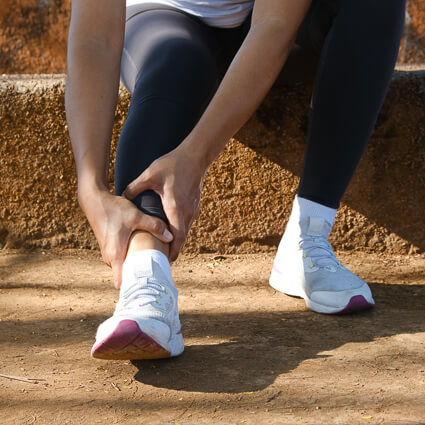 Chiropractic care can play a supportive role in recovering from an ankle sprain, especially when integrated with other rehab methods like physiotherapy and exercise.
Initial Assessment
Your chiropractor will start with a thorough assessment to determine the severity of your sprain (Grade I, II, or III) and rule out fractures or more serious injuries, referring you for imaging if needed. They’ll also check for joint misalignment or biomechanical dysfunction in the ankle, foot, knee, or hip that might have contributed to or resulted from the injury.
The Chiropractic Approach
Gentle mobilization or adjustment of the ankle and foot joints can help restore normal motion that’s often lost after a sprain due to swelling, scar tissue, or guarding. This improved joint mobility may:
- Decrease stiffness
- Promote better circulation and lymphatic drainage
- Support proper alignment during healing
Our chiropractors also use specialized techniques including:
- Myofascial Release to reduce tightness in muscles and fascia around the ankle and calf
- Ultrasound Therapy to stimulate the healing process
- Medical Acupuncture to reduce local inflammation
- Kinesio Taping for ongoing support and pain relief
Rehabilitation and Proprioception Training
Our Chiropractic Team works in partnership with our in-house Physiotherapist and Sports Therapists to provide a full rehabilitation service for ankle sprains. Using balance boards, resistance band exercises, and functional movement retraining, our comprehensive rehabilitation care aims to:
- Strengthen the muscles that stabilize the ankle
- Improve proprioception (your body’s sense of balance and joint position), which is often impaired after a sprain
- Reduce the risk of future ankle sprains
Ready to Start Your Recovery?
Don’t let an ankle sprain keep you on the sidelines. Book your appointment at The Wellness Centre (Castle Quay) today and let our experienced team create a personalized treatment plan to get you back on your feet safely and effectively.
